
Winter in Richfield, NC is unpredictable. One day feels like spring, the next day there’s thick frost on everything. That kind of back-and-forth weather is brutal on small engines. Whether you own a riding mower, zero-turn mower, generator, pressure washer, mini bike, go-kart, ATV, or UTV, cold weather will expose every weak point those machines have. At Austin Miner Small Engine Repair, we see the same preventable issues every winter:
- Gummed-up carburetors
- Stale fuel
- Cracked fuel lines
- Dead batteries
- Flooded carbs
- Electrical failures
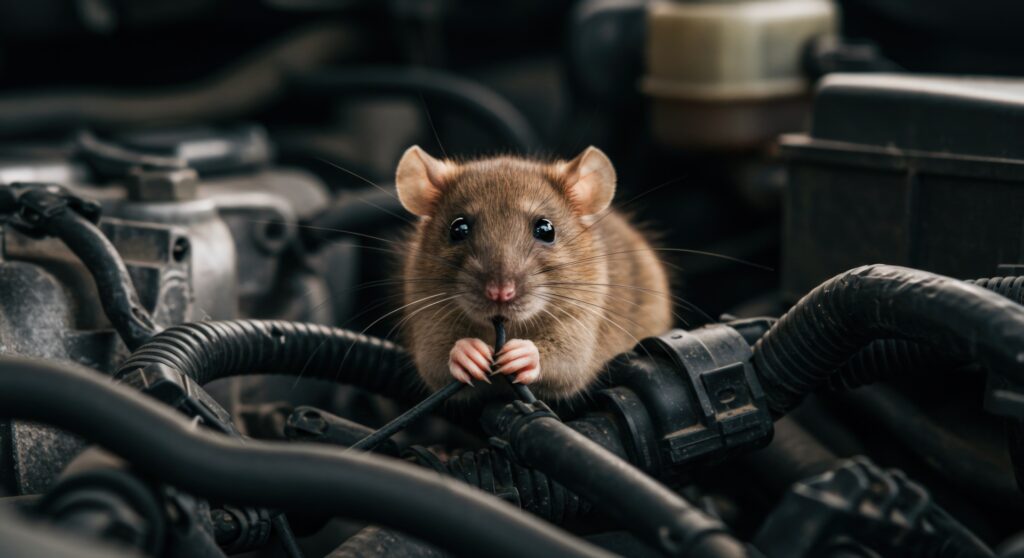
- Squirrels and mice chewing wires, stuffing acorns, and building nests in engines
With the right winter prep, all of this is avoidable. Below is a full guide written in a straight-shooting, no-nonsense tone for everyday folks in Stanly County.
How North Carolina Winters Mess With Small Engines
NC winter causes more small engine damage than most people realize because of constant temperature swings. Here’s what’s actually happening inside your equipment:
Fuel Breakdown (the #1 killer)
- Gasoline goes bad in 30–45 days
- Ethanol attracts water
- Fuel separates and turns to varnish
- Carburetors get clogged and won’t start
Condensation
- Warm days + cold nights = moisture inside the tank
- Water sinks to the bottom
- Causes corrosion, rust, and rough running
Cold-Thickened Oil
- Oil turns thick
- Causes dry starts
- Increases internal wear every time you crank the engine
Battery Drain
- ATV, UTV, mower, and generator batteries lose charge fast in cold air
- By spring, most are dead without trickle charging
Cracked Rubber & Plastic
- Fuel lines dry out
- Carb boots shrink
- Primer components crack
Squirrels & Mice
These little demons cause more winter damage than the weather itself. They:
- Chew wires
- Stuff acorns inside air intakes
- Nest under mower seats
- Rip out insulation
- Fill shrouds and cooling fins with bedding
- Cause electrical failures that cost more than the engine repair
If you store equipment in a shed, barn, or carport, rodents WILL find it.
How to Winterize Your Lawn Mower (Push, Riding, Zero-Turn)
Winterizing your mower protects your investment and makes the first start of spring painless. Here’s what you need to do:
Fuel Prep
Choose one of the two methods:
- Drain the fuel completely
- Best for long-term storage
- Run until engine dies to empty the carb
- OR add fuel stabilizer
- Fill tank
- Add stabilizer
- Run engine 5–10 minutes
Change the Oil
- Fresh oil stops winter corrosion
- Dirty oil sitting for months breaks down internal components
Air Filter
- Replace or clean
- Prevents moisture buildup and mold
Clean the Deck
- Scrape off dried grass
- Prevents long-term rust
Battery Care (for riders and zero-turns)
- Disconnect the battery
- Store indoors
- Use a trickle charger
Storage Tips
- Store indoors when possible
- If storing outside, use a vented cover (not a tarp)
- Check occasionally for squirrel nests
Winter Prep for Generators in Richfield, NC
When winter storms hit, you don’t want to find out your generator won’t start. Prep it now so it’s ready when you need it.
Fuel System
- Stabilize gas or drain the tank
- Run generator monthly for 10 minutes
Oil
- Check oil level every use
- Change oil before winter if it’s overdue
Battery (Electric-Start Models)
- Remove battery for storage
- Keep on a charger
General Inspection
- Clean or replace air filter
- Check spark plug
- Make sure the fuel shutoff valve moves freely
Rodent Warning
Generators stored in sheds are a squirrel’s favorite nesting spot. Check under the frame and inside the vented housing.
Winterizing Gas Pressure Washers
Pressure washer pumps are extremely sensitive to freezing temperatures.
Pump Protection
- Flush out any detergent
- Run clean water through system
- Add pump saver antifreeze solution
- Pull recoil until resistance (protects pump seals)
Fuel
- Drain or stabilize
- Run engine dry if stored long-term
Storage
- Store indoors if possible
- Keep hoses and wand drained
A cracked pump is one of the most expensive repairs you can face.
Winter Prep for ATVs, UTVs, Mini Bikes & Go-Karts
These machines work hard all winter for hunting, farm chores, or just riding around the backroads. Winter preparation keeps them dependable.
Fuel System
- Stabilize fuel or drain it
- Run engine to circulate stabilized gas
Oil & Filter
- Cold oil is thick
- Change before winter for smoother startups
Battery
- Remove battery
- Keep on a trickle charger
- Clean corrosion from terminals
Cooling System
- Check coolant levels
- Make sure antifreeze is not diluted too low
Tires
- Cold air lowers tire pressure
- Inflate to proper PSI to avoid flat-spotting
Rodent Prevention
Squirrels LOVE:
- ATV seats
- Wiring harnesses
- Air filter housing
- Frame cavities
Use peppermint oil or rodent deterrent under the seat and in storage areas.
What Happens If You Don’t Winterize Your Equipment
Skipping winter prep usually leads to:
- Carburetor rebuilds
- Fuel tank cleaning
- Dead batteries
- Broken fuel lines
- Rusted mower decks
- Flooded engines
- Electrical shorts from chewed wiring
- Overheating from squirrel nests packed around cooling fins
And those repairs cost a lot more than simple winterization.
When to Call Austin Miner Small Engine Repair
You should bring your equipment in if:
- It won’t start
- It starts only on choke
- It stalls under load
- Fuel is more than 60 days old
- You suspect squirrels chewed something
- It sat with untreated fuel
- It needs oil changed, battery replaced, or carb cleaned
We service:
- Riding mowers
- Zero-turn mowers
- Generators
- Pressure washers
- ATVs
- UTVs
- Mini bikes
- Go-karts
- All small engine equipment used around the home, farm, or shop
If it has a small engine, we fix it.
Final Winter Checklist for Richfield, NC Homeowners
Use this as your go-to winter checklist:
- Drain or stabilize fuel
- Change oil
- Replace air filter
- Check spark plug
- Drain pressure washer pumps
- Charge or store batteries
- Inspect belts and hoses
- Cover equipment
- Check weekly for squirrels and mice
A little work now saves a lot of money come spring.