
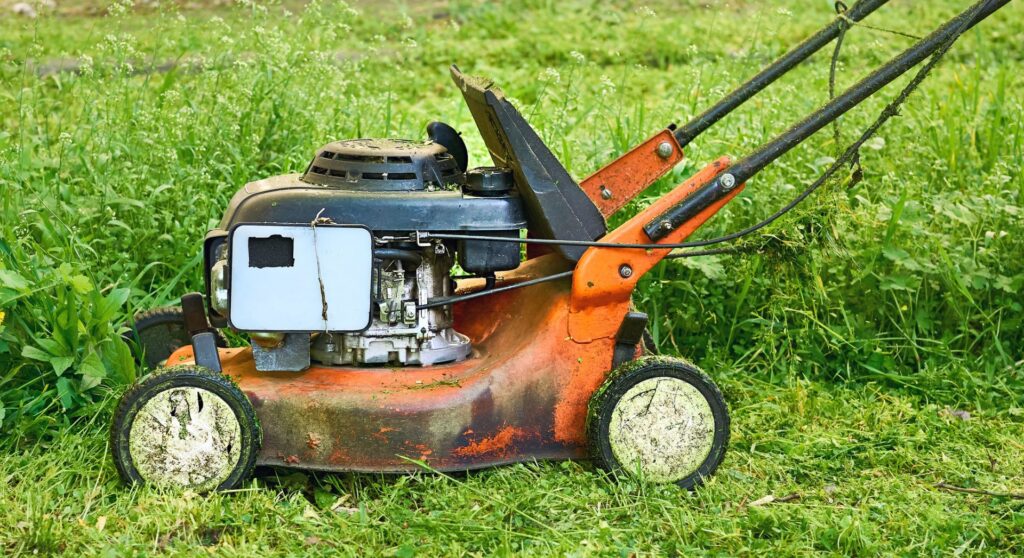
Why do small engines fail so often in North Carolina? If you own a mower, generator, pressure washer, garden tiller, or any other small engine in Richfield, Albemarle, Salisbury, or the surrounding Stanly and Rowan County communities, you already know one thing: when these machines stop working, they don’t give much warning. They just quit. And usually right when you need them.
Small engines are simple, but diagnosing them isn’t. A machine can fail for ten different reasons that all look the same to the homeowner. This guide explains the most common small-engine problems we see every week at Austin Miner Small Engine Repair — what causes them, what the symptoms mean, and when it’s worth fixing versus replacing.
This isn’t fluff. It’s the real breakdown of how these engines behave, the issues we see constantly in our region, and how to get ahead of them before they turn into expensive repairs.
Between humidity, temperature swings, dust, and long storage periods, our region is tough on equipment. In Richfield and Albemarle, people store machines in sheds, barns, or backyard buildings. In places like Misenheimer, Stanfield, and Oakboro, engines sit unused for months while water in the air creeps into fuel systems. Out in Rowan County, dust and debris choke air filters and clog cooling fins.
Most failures come down to five things:
- Fuel quality issues
- Carburetor blockages
- Spark and ignition problems
- Compression loss
- Neglected maintenance
Once you know what these symptoms look like, you can understand what’s really happening under the hood.
The #1 Engine Killer in Stanly & Rowan County: Bad Gas
Old fuel ruins more small engines than anything else. Ethanol-blended gasoline attracts moisture — and our Carolina humidity feeds it. After a few weeks, fuel begins separating. That heavy water-ethanol mix sinks to the carburetor, clogs the jets, and leaves a tar-like varnish behind.
Symptoms of Bad Fuel:
- Engine starts, then dies
- Engine surges up and down
- No start, even with good spark
- Strong smell of stale gasoline
- Cloudy or dark fuel in the tank
What This Problem Really Means:
The carburetor is almost always clogged internally. You cannot fix this with a spray cleaner. It needs a full teardown, cleaning, and reassembly.
How We Fix It:
At Austin Miner Small Engine Repair, a proper carb cleaning means:
- Removing the carburetor
- Breaking it down completely
- Cleaning jets, float needle, and bowl
- Removing varnish buildup
- Rebuilding and reinstalling
Anything less is a temporary Band-Aid.
Clogged Carburetor (Even With “Good” Fuel)
Even if you’ve just put fresh gas into the tank, the carburetor may already be clogged from last season’s fuel. In Richfield, Badin, and Norwood, we see this constantly — the machine ran fine last year, but now won’t start at all.
Symptoms:
- Pull cord feels normal, but engine doesn’t fire
- Engine only runs on starter fluid
- No fuel smell in exhaust
- Flooding after multiple pulls
What This Problem Really Means:
The carburetor isn’t supplying fuel to the engine. The internal fuel passages are blocked.
The Fix:
A carb cleaning or rebuild. Sometimes a new carb is not better — cheap aftermarket carbs don’t last. We clean and restore OEM parts whenever possible.
Spark Plug & Ignition Problems
Spark plugs are cheap, but when they fail, a machine becomes unpredictable. Ignition coils, kill switches, and wiring can also cause intermittent spark — the worst kind of failure because it looks random.
Symptoms of Spark / Ignition Issues:
- Engine pops once but won’t run
- Engine starts cold but dies warm
- Random shutdowns mid-use
- Weak spark
What This Problem Really Means:
Either the plug is fouled, the ignition coil is weak, or the kill switch wiring is grounding out.
The Fix:
- Replace the spark plug
- Test for spark
- Inspect grounding wires
- Replace ignition coil if needed
This is usually inexpensive to fix if caught early.
Compression Loss (Engine Has Lost Power or Won’t Start)
Compression is the engine’s ability to build pressure when the piston moves upward. Without compression, a small engine will never start — no matter how much fuel or spark it has.
Symptoms of Low Compression:
- Pull cord is suddenly “too easy”
- Engine spins fast but doesn’t fire
- Pull cord snaps back violently
- Engine smokes heavily
- Loss of power under load
What This Problem Really Means:
Internal engine wear. Common causes include:
- Worn piston rings
- Scored cylinder
- Blown head gasket
- Valve problems
The Fix:
Compression repairs involve internal work. We measure compression, inspect the cylinder, and tell you honestly whether the repair is worth it. Some older mowers and generators are worth rebuilding. Others aren’t.
Airflow Problems (Clogged Air Filters & Cooling Fins)
Stanly and Rowan County get dusty in the summer. Air filters plug fast, especially on mowers and generators running on gravel or red clay.
Symptoms:
- Loss of power
- Black smoke
- Overheating
- Engine hunting/surging
What This Problem Really Means:
The engine can’t breathe or can’t cool itself.
Fix:
- Replace the air filter
- Clean cooling fins
- Remove debris from shrouds
This is one of the most preventable failures.
Blade, Belt, and Deck Issues (For Mowers)
A mower can have a perfectly healthy engine and still perform terribly if the deck components are failing.
Common Issues:
- Dull blades tearing grass
- Bent blades causing vibration
- Deck belts slipping or broken
- Spindles worn out
Symptoms:
- Rough, uneven cut
- Excessive vibration
- Burning smell
- Deck shuts off randomly
Fix:
Blade sharpening, balancing, belt replacement, and spindle service. We never sharpen a blade without balancing it — that’s a major cause of vibration that homeowners rarely realize.
Pressure Washer Problems (Pump Issues & Loss of Pressure)
Pressure washers are one of the most misunderstood pieces of equipment we see in the shop.
Symptoms:
- Low pressure
- Pulsing pressure
- Water leaking from pump
- Loud knocking noise
What This Problem Really Means:
- Unloader valve stuck
- Pump seals worn
- Pump cracked from winter freeze
- Inlet screen clogged
Fix:
We disassemble and clean pumps, replace worn seals, and test the unloader. Pump replacement is sometimes required if freeze damage occurred.
Generator Problems (Hard Starting, No Output, Smoking)
Generators in Oakboro, Salisbury, Norwood, and surrounding rural areas get used during storms — and left sitting the rest of the year. That leads to predictable issues.
Common Generator Failures:
- Hard starting
- Poor idle
- No electrical output
- Smoking under load
Causes:
- Bad fuel
- Clogged carb
- Bad AVR (automatic voltage regulator)
- Damaged brushes
- Spark problems
Fix:
We perform both mechanical and electrical diagnostics. Many “dead” generators are fixable — they just have a failed AVR or brush set.
When Is It Not Worth Fixing?
Honesty matters. Some engines are not worth repairing — not because they can’t be fixed, but because the cost exceeds the machine’s value.
We normally recommend not repairing when:
- Deck is rotted out
- Engine has catastrophic compression loss
- Parts exceed machine value
- Machine is underpowered for your property
- Cheap big-box store replacements cost less than repair
We always give straight answers. No pressure, no upsells.
When to Bring Your Equipment to Austin Miner Small Engine Repair
If your engine:
- Won’t start
- Surges
- Smokes
- Dies under load
- Vibrates heavily
- Loses pressure (pressure washers)
- Produces no output (generators)
- Has hard or sloppy pull cord tension
…it’s time to get it inspected.
Homeowners in Richfield, Albemarle, Salisbury, New London, Locust, Badin, Stanfield, Misenheimer, Norwood, Oakboro, and across Stanly + Rowan County trust us because we diagnose the real issue, explain it clearly, and fix it right.
Final Takeaway
Small engines give you warning signs — they just don’t always look obvious. Whether it’s fuel breakdown, spark issues, carb blockages, compression loss, airflow restrictions, pump failures, or deck problems, most repairs can be avoided or reduced with timely attention.
If your machine is acting up, or you want a professional eye on it before a small issue becomes a big one, we’re here to help.