
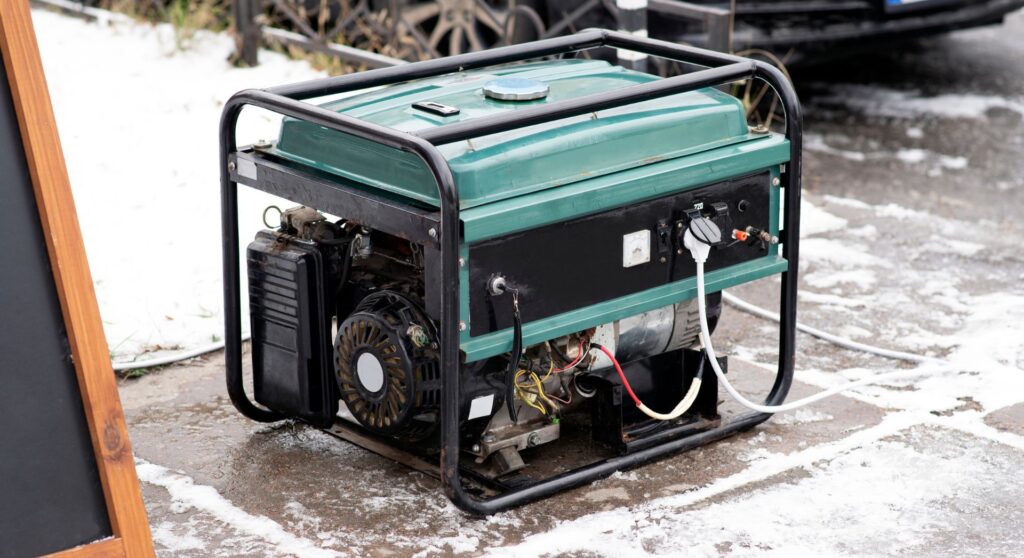
If you live in Richfield, Albemarle, Salisbury, Locust, Stanfield, Oakboro, or anywhere across Stanly and Rowan County, small engines play a bigger role in your life than you might realize. Your lawn mower keeps your property manageable, your pressure washer keeps your home clean, and your generator protects your family when storms hit and the power goes out.
But here’s the hard truth:
Small engines don’t fix themselves. And when something goes wrong, guessing at the problem can lead to even more damage.
This guide is built for North Carolina homeowners who want to understand how their equipment works, what typically breaks, and how real diagnostics happen inside a small engine repair shop. Whether you’re maintaining a mower, troubleshooting a pressure washer, or trying to revive a generator after years of sitting in the shed, this guide breaks everything down in plain language.
Understanding How Small Engines Work (Without the Technical Nonsense)
Every small engine — whether on a mower, pressure washer, generator, or tiller — relies on the same core systems:
- Airflow
- Fuel delivery
- Ignition/spark
- Compression
- Rotation (starter system)
If any one of these fails, the entire machine quits.
You don’t need to be a mechanic to understand the basics. Once you know what each system does, identifying problems becomes far easier — and repairs become faster and cheaper because you’re not guessing blindly.
Airflow: The Most Overlooked System (And One of the Most Important)
North Carolina dust is brutal on small engines. Red clay, gravel, leaves, grass, and pollen clog air filters and cooling fins constantly.
What Happens When Airflow Is Restricted
- Engine loses power
- Engine overheats
- Fuel burns too rich
- Engine surges or hunts
- Black smoke appears
A clogged air filter suffocates the engine. Clogged cooling fins prevent heat from escaping. Both can lead to long-term damage.
What We Check in the Shop
- Air filter condition
- Cooling fin blockage
- Debris inside the shrouds
- Clogged pre-filters
- Bent choke plates
Fuel Delivery: The Most Common Failure Point in NC
Fuel quality issues are the #1 reason small engines come into our shop from Albemarle, Salisbury, New London, Badin, and everywhere in between.
Why Fuel Goes Bad So Fast in North Carolina
Ethanol attracts moisture. Our humidity provides plenty of it.
Old fuel creates:
- Varnish
- Water separation
- Jet blockages
- Corrosion in the carburetor
What Fuel Problems Look Like
- Engine won’t start
- Engine surges
- Starts then dies
- Strong gasoline odor
- Milky or dark fuel
How We Diagnose Fuel Issues
- Check fuel color and smell
- Inspect tank for separation
- Remove carb bowl to inspect
- Test float needle movement
- Inspect jets under magnification
How We Fix Fuel Problems
- Full carburetor teardown
- Jet cleaning
- Bowl cleaning
- Replacing gaskets and seals
- Cleaning or replacing fuel lines
- Removing tank sediment
This is a real carb cleaning — not a spray-and-pray job.
Ignition: Spark Plug, Coil, and Electrical Failures
Without spark, the engine won’t ignite fuel. Electrical issues can appear suddenly, and they’re often misdiagnosed as fuel problems.
Signs of Ignition Trouble
- No start
- Weak spark
- Starts cold, dies warm
- Random shutdowns
- Backfiring
What We Inspect
- Spark plug condition
- Plug gap
- Ignition coil strength
- Flywheel magnet integrity
- Kill switch grounding
Common Fixes
- Replace plug
- New coil
- Repair or replace kill switch
- Re-seat plug boot
- Clean flywheel
Compression: The Heart of the Engine
Compression determines whether the engine can build enough pressure to ignite fuel. If compression is low, the engine becomes weak, hard to start, or totally dead.
Signs of Low Compression
- Pull cord becomes too easy
- Engine spins fast but doesn’t fire
- Loud backfiring
- Excess smoke
- Loss of power under load
What Causes Compression Failure
- Worn piston rings
- Scored cylinder
- Valve leakage
- Blown head gasket
- Carbon buildup
How We Test Compression
We use a compression gauge and leak-down tester to determine exactly where pressure is escaping.
Can It Be Fixed?
Often, yes. But if the cost of repair exceeds the machine’s value, we tell you straight. Some engines are worth rebuilding. Some aren’t.
Starter System: When Pull Cords and Electric Starters Fail
Starting issues are extremely common and often misunderstood.
Pull Cord Problems
- Rope snapped
- Rope retracts too fast
- Hard pull
- Grinding noises
Causes include:
- Broken recoil spring
- Damaged pawls
- Seized engine
Electric Starter Problems
- Solenoid clicking
- Weak cranking
- No cranking at all
Causes include:
- Weak battery
- Bad starter motor
- Grounding failure
- Damaged wiring
What We Check
We test rotation by removing the spark plug and turning the engine manually. This tells us whether the issue is mechanical or starter-related.
Lawn Mower Repair: The Most Common Problems in Our Region
Serving Richfield, Albemarle, Locust, Stanfield, Norwood, and the surrounding areas, we see the same mower failures again and again.
Typical Mower Failures
- Carburetor clogs
- Dull or bent blades
- Belt problems
- Deck vibration
- Stalling under load
- Hard starting
What We Do for Mower Diagnostics
- Test spark
- Inspect air and fuel systems
- Clean carburetor
- Sharpen and balance blades
- Check spindle bearings
- Inspect drive belt
- Test governor function
Pressure Washer Repair: Pumps, Unloaders & Water Flow Issues
Pressure washers fail for different reasons than mowers. Pump issues are the most serious — and the most expensive if ignored.
Common Pressure Washer Problems
- Loss of pressure
- Pulsing pressure
- Water leaking from pump
- Overheating
- No pressure at all
What Causes Pressure Problems
- Stuck unloader valve
- Pump seals worn out
- Cracked pump (freeze damage)
- Clogged inlet screen
- Worn plungers
How We Diagnose Pump Failures
- Check water flow
- Inspect pump seals
- Test unloader
- Inspect manifold
- Check for freeze cracks
Fixes
- Seal kit replacement
- Unloader repair
- Full pump replacement (if damaged)
Generator Repair: The Machine You Rely on Most
Generators are heavily used during storms in Oakboro, Salisbury, Norwood, and Misenheimer — then they sit the rest of the year. Long-term storage is where most generator failures begin.
Generator Problems We See Constantly
- Hard starting
- Surging under load
- No electrical output
- Smoking
- Dead battery
- Carburetor clogging
What We Check During Generator Diagnostics
- Spark strength
- Fuel delivery
- Carburetor internals
- AVR (automatic voltage regulator)
- Brush assembly
- Rotor and stator output
- Governor control
Electrical Failures
Mechanical power is not enough — the generator must convert it into usable electricity. Most “dead” generators we see still have good engines. The electrical side is where the failure lies.
Fixes
- Replace AVR
- Clean or replace brushes
- Repair wiring
- Tune the carb
- Replace fuel lines
- Load test after repair
When Repairs Are Worth It — And When They Aren’t
We’re honest with customers. Here’s the truth:
Repairs ARE worth it when:
- Engine compression is good
- The machine is a quality brand
- Deck/frame is solid
- Parts are available
- You rely on the equipment regularly
Repairs are NOT worth it when:
- Frame or deck is rotted
- Engine has catastrophic internal damage
- Machine is underpowered for your property
- Cost of repair exceeds replacement value
- Machine is a disposable big-box store model
We always tell you upfront — no surprises, no pressure.
Why Homeowners Across Stanly & Rowan County Trust Us
People come to Austin Miner Small Engine Repair because they’re tired of being told to “just buy a new one.” We don’t upsell, we don’t cut corners, and we don’t throw parts at a problem. We diagnose, explain, and fix what needs fixing.
Homeowners from:
- Richfield
- Albemarle
- Salisbury
- Locust
- New London
- Stanfield
- Norwood
- Misenheimer
- Badin
- Oakboro
- Throughout Stanly & Rowan County know they’ll get straight talk and dependable work.